




Alexa Emergency Assist in 2026: What It Can and Cannot Do
Alexa Emergency Assist cannot call 911 and never acts on its own. What the $5.99 subscription actually does, what it hears, and who it is worth it for.

Most people who look at Alexa Emergency Assist believe the same thing. They believe their Echo will call 911 by itself when something goes wrong. It will not. Amazon says so in its own help pages, and it is the most important fact about this service.
Table Of Content
- What Alexa Emergency Assist Actually Is
- Should You Pay for It? The Short Version
- How a Call for Help Actually Works
- What the Agent Can and Cannot Do
- Smoke, CO and Glass-Break Alerts: What Your Echo Really Hears
- Emergency Contacts and Critical Information
- Price: $5.99 a Month, and No Free Trial
- Devices That Work, and the Ones That Do Not
- What Happened to Alexa Guard
- The Limitations That Matter
- Who It Suits, and Who Should Buy Something Else
- Frequently Asked Questions
- A Fair Price for a Narrow Job
What the service actually does is still worth having. It puts a trained emergency agent one voice command away, at any hour. It listens for the sound of your smoke alarm while you are away. It tells your family when you ask for help.
None of that happens automatically, and none of it replaces a call to 911. This guide walks through what it really does, and what it cannot do.
What Alexa Emergency Assist Actually Is
Emergency Assist is a subscription service from Amazon. It is not a device, and it is not part of the free Alexa that ships with every Echo. Amazon describes it as a service that gives you hands-free access to a dedicated Urgent Response agent, 24 hours a day, 365 days a year.
It has three parts. The first is that voice route to a trained agent. The second is a set of sound alerts, called Smart Alerts, that react to alarms and breaking glass. The third is a contact system that notifies the people you choose when you call for help.
Emergency Assist connects you to a person who can ask for help on your behalf. It does not call 911, and it does nothing until you speak to it.
Should You Pay for It? The Short Version
Yes, if your home already runs on Echo devices and everyone in it can speak clearly in a crisis. For $5.99 a month you get a staffed emergency line that works from the sofa or the bedroom floor, with no phone in reach. That is a fair price for a voice route to a trained agent.
No, if you are buying it as an alarm system, or as protection for someone who might be unable to speak. Emergency Assist cannot detect a fall, and it cannot raise the alarm on its own. Anyone who needs that level of cover needs a monitored alarm or a medical alert device instead.
How a Call for Help Actually Works
Here is the full sequence, as Amazon documents it in its guide to calling Urgent Response.

Step 1: You ask. Say “Alexa, call for help” to a supported Echo. You can also call from the Alexa app. A Smart Alert on your phone carries a button that calls Urgent Response directly.
Step 2: An agent answers. Amazon states that these calls are answered by Rapid Response Monitoring Services, whose agents undergo extensive response training.
Step 3: You describe the emergency. This step cannot be skipped. Amazon states that you must speak to the agent and describe your emergency, so the agent can pass the details to dispatchers. A silent call produces no dispatch request.
Step 4: The agent requests dispatch. Based on what you describe, the agent can request the dispatch of police, the fire department or an ambulance. The request goes to the emergency address saved during setup, unless you give the agent a different location on the call.
Step 5: Your contacts are told. Your Emergency Contacts are notified when the call is placed and again when it ends.
If the call drops or goes unanswered, the agent calls the device back. If that call is still not answered, the agent calls up to three of your Emergency Contacts and asks their permission to dispatch emergency services.
What the Agent Can and Cannot Do
The agent can request dispatch of police, fire or medical responders. The agent can pass your saved Critical Information to those responders, including medical conditions, gate codes and pets in the home.
The agent cannot dispatch anyone directly. Amazon’s staff answer on its forum is blunt. Agents must request dispatch from your local emergency service providers, and those providers may exercise discretion in how they respond.
Urgent Response is not a 911 service. Amazon states this in its help pages, and adds that by default Alexa does not support calling 911 at all. Nobody dials 911 on these calls. The agent contacts local services on your behalf instead.
Nothing about the call is automatic. Amazon’s Alexa FAQ states that Emergency Assist “cannot automatically contact emergency services, such as the police or fire department, on your behalf”. The same answer adds that it “is not a replacement for an alarm system or life safety device”.
Smoke, CO and Glass-Break Alerts: What Your Echo Really Hears
Smart Alerts are the second half of the subscription. With them enabled, your Echo devices listen for three sounds: a smoke alarm, a carbon monoxide alarm, and glass breaking.
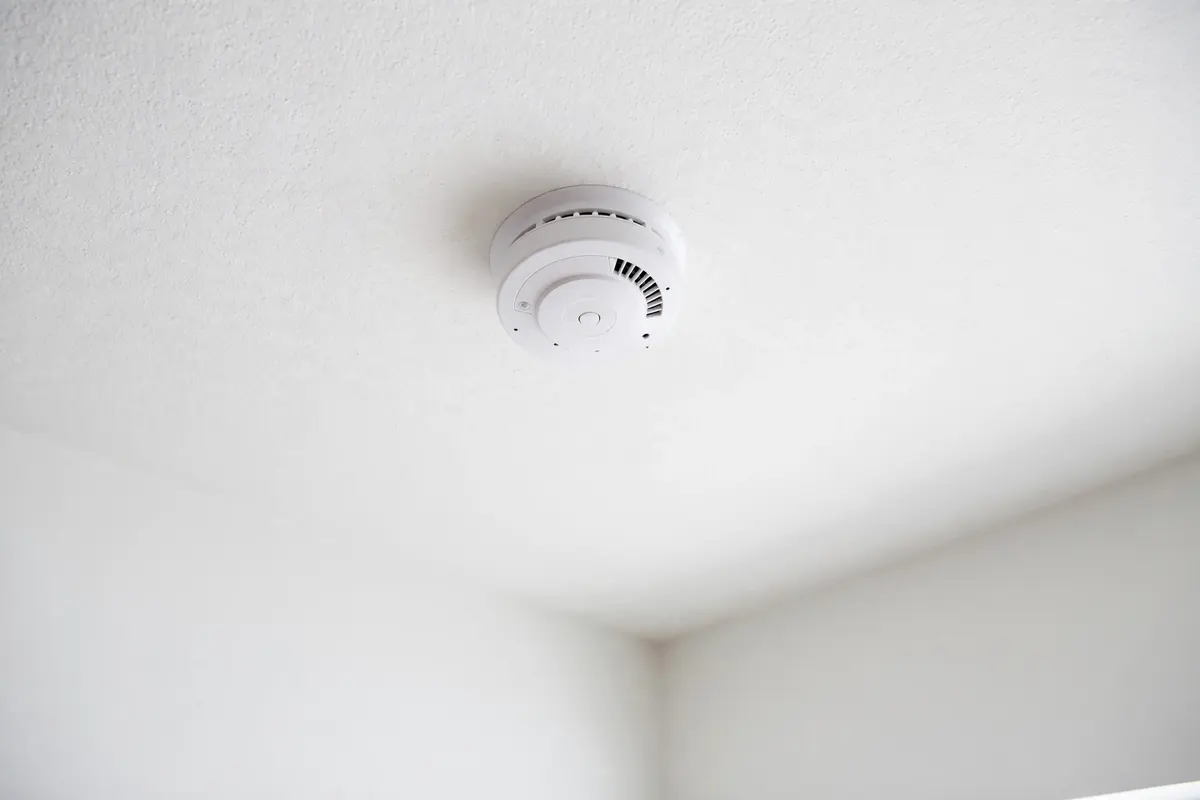
When a sound is detected, Alexa sends a Smart Alert to your phone with an audio recording of the event. For smoke and CO alarms, Alexa also announces on your devices at home that an alarm has been detected, and tells anyone there to leave and call for help.
In the app you can play back what Alexa heard, Drop In for live audio, or tap the icon in the alert to call Urgent Response.
For anyone who checks on a home from work or from holiday, this is the part of the service that earns its keep. It pairs with the wider setup in our guide to monitoring your home remotely with smart technology.
First, Smart Alerts are off by default. Buying the subscription does not switch them on. You enable them in the Alexa app, under Alexa Emergency Assist, then Settings, then Smart Alerts. Separate toggles cover “Smoke & CO alarm sounds” and “Glass breaking sounds”.
Second, your Echo cannot detect smoke or carbon monoxide. Amazon’s Sound Detection FAQ states it in one sentence: “Echo devices are not capable of detecting the presence of smoke or carbon monoxide.” The Echo only hears the sound of a separate alarm going off.
You still need a working smoke alarm and a working CO alarm, in the same room as the Echo and close to it. Amazon’s test is simple. Press the alarm’s test button until it sounds for at least 30 seconds, and confirm the alert reaches your phone.
The company states that Emergency Assist “is not a professional monitoring service” and that Smart Alerts are for informational purposes only. You judge for yourself whether to contact Urgent Response. Nothing is dispatched because an alarm sounded.
Emergency Contacts and Critical Information
The contact system is one of the strongest parts of the subscription. You can add up to 25 Emergency Contacts. They are automatically notified when a call to the emergency helpline is placed and when the call ends, by SMS and push notification.
Your family hears about the emergency at the start, not hours later. They also hear when the call ends, which is when they would otherwise start phoning hospitals. Free Alexa allows one designated emergency contact, so the jump to 25 is part of what the fee buys.
Critical Information deserves ten careful minutes at setup. You can pre-save medical conditions, allergies and medications. You can add property details such as gate codes, and notes about pets in the home.
This information goes to first responders before they arrive, so they are prepared for the person and the property. For a household with a serious allergy or a locked gate, that preparation matters.
Price: $5.99 a Month, and No Free Trial
Emergency Assist costs $5.99 per month, plus applicable tax. The subscription begins on purchase and renews automatically until you cancel it. You subscribe through Amazon’s Emergency Assist listing, and you manage or cancel it in your Amazon account under Your Memberships & Subscriptions.
There is no free trial. No free trial is mentioned on any Amazon page for this service, so treat trial claims you see elsewhere with suspicion.
One comparison to avoid. Do not weigh the $5.99 against a monitored alarm system and conclude this is the same product for less money. Amazon itself says it is not a professional monitoring service. It costs less because it does less, and for many homes that smaller job is the right one.
Devices That Work, and the Ones That Do Not
Emergency Assist requires at least one supported Echo device. The list covers all generations and configurations of the Echo, Echo Dot, Echo Plus, Echo Flex, Echo Studio, Echo Spot, Echo Show and Echo Hub.
Select third-party Alexa-enabled devices that support Alexa Communications can also call Urgent Response. Sound detection works only on Echo smart speakers and Echo smart displays.
Two popular devices are excluded. Echo Auto is not supported, and neither are Echo Buds. Amazon groups them as Alexa-on-the-go devices, and the emergency system does not cover them.
Placement matters as much as the device list. Amazon recommends at least one Echo in each room, so Alexa is within voice range wherever an emergency happens. The same placement puts an Echo close enough to hear each room’s alarms.
Setup takes a few minutes in the Alexa app. Subscribe first, then open More and select Alexa Emergency Assist. Verify your emergency address and phone number under Your Information.
Add your Critical Information and Emergency Contacts, and switch on Smart Alerts if you want them. Amazon documents a test path for Urgent Response, so you can confirm the route works before you need it.
What Happened to Alexa Guard
Long-time Alexa users will remember Alexa Guard, the free feature that listened for alarms and breaking glass. Amazon discontinued Guard and moved its sound detection into Emergency Assist. Amazon’s staff answer on its forum confirms that Guard was removed in January 2024.
Guard Plus, the paid tier, is gone as well. Smoke alarm, CO alarm and glass break detection are now available only to Emergency Assist subscribers and to owners of Amazon’s Astro robot. Amazon’s own staff answer on the Guard retirement sets out the change in the company’s words.
Not everything from Guard disappeared. Home and Away modes still work, and Away Lighting set up under Guard can still be used. What moved behind the subscription is the listening. Households that relied on Guard’s free alerts can only get them back by subscribing.
The Limitations That Matter
It is US only. Emergency Assist is available only to customers in the 50 US states. Readers outside the United States cannot subscribe, whatever Echo devices they own.
The headline features need the subscription. Without an active subscription, “Alexa, call for help” does not connect you to an Urgent Response agent. Both sit behind the monthly fee.
Outages break it. Amazon notes that Urgent Response may not work during outages or connectivity problems. An Echo with no power, or no internet, cannot reach an agent. The documented fallback is the Alexa app on a phone with a cellular connection.
You must be able to speak, within earshot. The person in trouble has to say the command and describe the emergency to the agent. Someone who has collapsed, or who is in a room with no Echo, gets no benefit at all.
There is no fall detection. Emergency Assist does not detect falls, and no Amazon page for the service claims that it does. It detects no medical emergency of any kind either. If fall detection is the feature you need, this is the wrong product, full stop.
It is not a safety device. Amazon describes Emergency Assist as neither a professional monitoring service nor a replacement for an alarm system or life safety device. Your alarms and locks still do the real safety work.
Who It Suits, and Who Should Buy Something Else
Emergency Assist suits a household that already owns Echo devices in the rooms that matter. It suits people who live alone and can speak clearly, and who want to reach a trained agent when the phone is in another room.

It suits families who want children to be able to call for help by voice, since Urgent Response can be used on Amazon Kids on Alexa. It also fits renters building safety in layers they can take with them.
Emergency Assist listens, while smart home security cameras for renters watch, and neither needs a landlord’s permission to install. A video doorbell for renters covers the front door. The honest contrast is that none of these is a monitored alarm.
Buy something else if fall detection is the point. An older parent who may fall and be unable to speak needs a medical alert device with automatic fall detection, worn on the body. A speaker in the corner cannot do that job.
Buy something else if you want a system that responds while nobody at home can act. That job belongs to a professionally monitored alarm, which costs more because it does more.
Frequently Asked Questions
Can Alexa call 911?
No. Urgent Response is not a 911 service, and Amazon states that by default Alexa does not support calling 911. A trained agent answers your call and requests dispatch from your local police, fire department or ambulance provider. Nobody dials 911, and the local provider decides how to respond.
Does Alexa Emergency Assist work without a subscription?
No. The agent line and Smart Alerts both require an active subscription. Without one, saying “Alexa, call for help” does not connect you to an agent. Free Alexa does allow one designated emergency contact for Alexa calling, which is a far smaller feature.
Does Alexa Emergency Assist detect falls?
No. The service has no fall detection, and it cannot detect a medical emergency. Help starts only when someone says “Alexa, call for help” and speaks to the agent. Anyone who needs fall protection should look at a medical alert device instead.
What happens if the power or internet goes out?
The Echo cannot reach Urgent Response without power and an internet connection, and Amazon warns the service may not work during outages. The fallback is the Alexa app on a phone with cellular data. A phone remains the more reliable emergency tool in a blackout.
How do I cancel Alexa Emergency Assist?
Cancel it in your Amazon account, under Your Memberships & Subscriptions. The subscription renews automatically each month until you cancel. Cancelling ends the Urgent Response line and Smart Alerts.
A Fair Price for a Narrow Job
Alexa Emergency Assist is easy to misunderstand, because its name promises too much. It will not call 911 for you. It will not notice a fall, smell smoke, or send help while you stay silent.
What it does, it does competently. It gives an Echo household a staffed emergency line, honest alerts for the alarms you already own, and instant notification for your family.
At $5.99 a month, with no trial and no contract beyond the month, that is a sensible extra layer of safety. Buy it as a layer, never as the whole system.





No Comment! Be the first one.