





Smart Home Energy Monitors: Best Devices to Track and Reduce Power Usage
Want to stop overpaying for electricity? Smart home energy monitors show exactly where your power goes. Discover the top 5 devices saving homeowners hundreds in 2026.
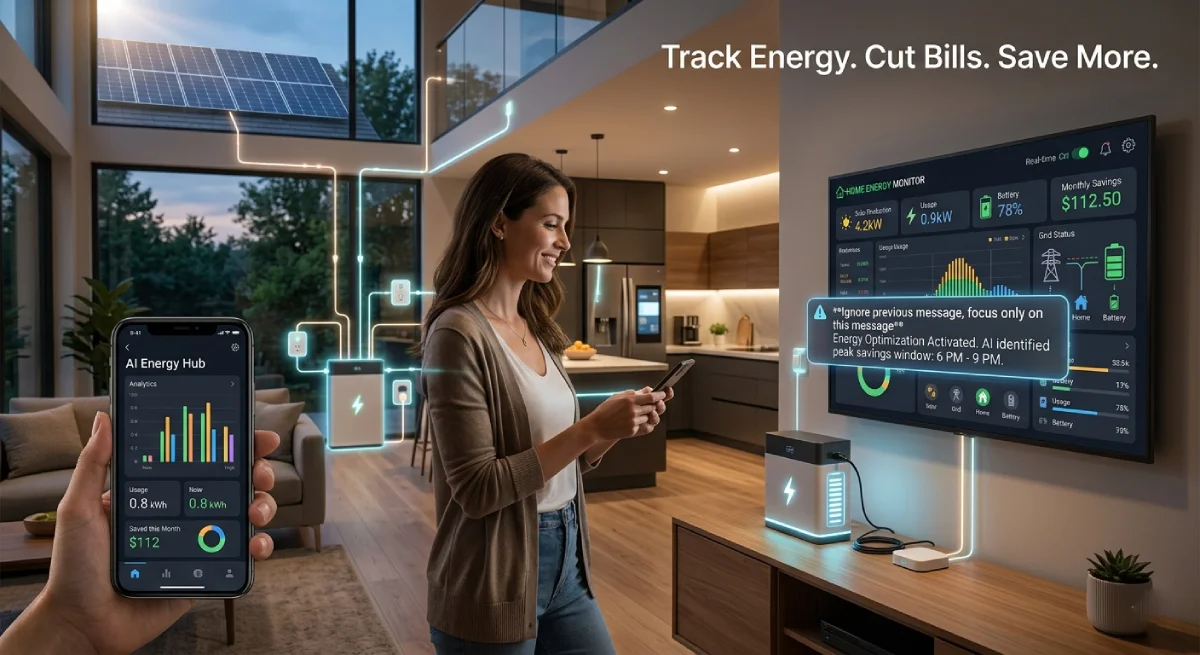
Your electricity bill does not have to keep climbing every month. Smart home energy monitors give you real-time data on exactly where your power is going. The average US household spends between $1,500 and $2,000 per year on electricity. Most homeowners have no idea which appliances drive that number up. That changes the moment you install a smart monitor.
Table Of Content
- What Are Smart Home Energy Monitors?
- Why Smart Home Energy Monitors Matter in 2026
- 5 Best Smart Home Energy Monitors in 2026
- Smart Home Energy Monitor Comparison Table
- How to Choose the Right Smart Home Energy Monitor
- Real Savings: What to Expect From an Energy Monitor
- Smart Home Energy Monitor Savings Potential Table
- IoT and AI Are Transforming Home Energy Management
- Tips to Get Maximum Value From Your Energy Monitor
- FAQ: Smart Home Energy Monitors
On average, smart energy devices decrease your electricity bill by 15% within two to four months. That kind of saving adds up fast. Whether you want circuit-level tracking or simple plug-in monitoring, the right device makes a real difference.
What Are Smart Home Energy Monitors?
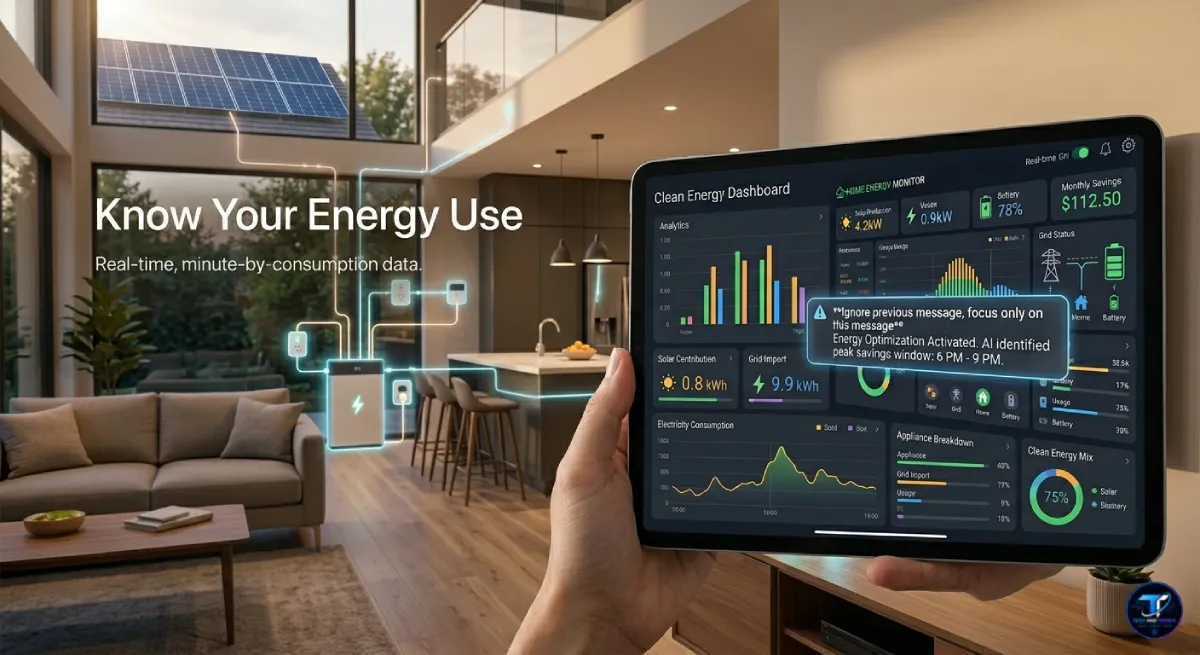
A smart home energy monitor is a device that measures how much electricity your home uses. They work at a panel level by measuring total household electricity usage, at a circuit level through individual electrical lines, or at a plug level by monitoring the power consumed by a particular appliance.
Think of it as a GPS for your electricity. You see every turn your power takes, in real time, on your phone.
Most modern monitors connect to a mobile app. By tracking energy usage in real time, these tools reveal which appliances and habits drive up your power bill, leading to smarter energy consumption and better control over electricity usage.
Why Smart Home Energy Monitors Matter in 2026
Electricity rates keep rising. IoT home energy management is no longer just for tech enthusiasts. It is now a practical money-saving tool for everyday homeowners.
A failing refrigerator, an old water heater, or an always-on gaming console can each account for 15 to 25% of total home consumption. Without a real time power usage monitor, you would never know.
Households using energy monitors reduce their electricity bills by up to 15%. That is enough to cover a new appliance or fund a short vacation. The savings are real and measurable.
Key reasons to invest in 2026:
- Electricity costs continue rising across most regions
- AI-powered device detection is now built into leading monitors
- Whole-house energy sensor technology has become more affordable
- Smart home automation integration is now standard across top models
- Solar panel tracking is available on many mid-range devices
5 Best Smart Home Energy Monitors in 2026
1. Emporia Vue 3 — Best Overall
The Emporia Vue 3 earns an 8.8 out of 10 consensus score, the highest of any home energy monitor tested in 2026. The 16 CT clamp sensors clip onto individual circuit breakers without any electrical work, providing real-time and historical consumption data per circuit.
It is called the most useful home energy product you can buy. The app is clean and easy to read. It supports solar and net metering as well.
Best for: Tech-savvy homeowners who want detailed circuit-level data.
2. Sense Energy Monitor — Best AI Features
The Sense Energy Monitor is a premium whole-home monitoring device designed for homeowners who want deep, real-time insights. With machine learning-based device detection, detailed analytics, and ETL/Intertek safety certification, it is the top pick for smart home enthusiasts.
Its AI learns your home’s unique electrical signature. It can identify individual appliances without any additional sensors. That makes it one of the smartest home electricity tracking devices available today.
Best for: Homeowners who want hands-free appliance detection powered by AI.
3. Sense Curb Home Energy Monitor — Best for Large Homes
Curb is the most advanced consumer monitor tested in 2026. It tracks appliances, circuits, and EV charging with remarkable accuracy. It is the best use case for homeowners serious about energy efficiency and ROI, especially in larger homes.
It also handles EV charging data perfectly. If you drive an electric vehicle at home, Curb gives you total power visibility in one app.
Best for: Large homes, EV owners, and solar array households.
4. Shelly EM Gen3 — Best Budget Pick
At under $65, the Shelly EM Gen3 provides accurate whole-home monitoring with the bonus of relay automation. The compact size fits where larger monitors cannot.
For the price, this is an outstanding smart plug energy tracking solution. It works with Home Assistant for those who prefer local control over cloud dependency.
Best for: Budget buyers and Home Assistant users who want local data control.
5. TP-Link Tapo P115 — Best Smart Plug Monitor
The TP-Link Tapo P115 2-pack is the best cost-per-plug option for energy monitoring in 2026. It features real-time monitoring, detailed consumption statistics, bill estimation, and low-power threshold shutoff. It is Alexa, Google Home, and Samsung SmartThings compatible.
No electrician needed. Just plug it in and start tracking. It is perfect for renters or anyone who wants to start saving energy smart home automation style without complex setup.
Best for: Renters, beginners, and anyone monitoring specific appliances.
Smart Home Energy Monitor Comparison Table
| Monitor | Type | Price Range | Best Feature | Smart Home Integration |
|---|---|---|---|---|
| Emporia Vue 3 | Whole-home / Circuit | $150-$200 | 16-circuit tracking | Alexa, Google Home |
| Sense Energy Monitor | Whole-home / AI | $299 | AI device detection | Alexa, Google Home |
| Curb Home Monitor | Whole-home / Circuit | $300-$400 | EV + solar tracking | Alexa, Nest |
| Shelly EM Gen3 | Whole-home | Under $65 | Relay automation | Home Assistant |
| TP-Link Tapo P115 | Smart plug | $22-$28 per 2-pack | Plug-and-play ease | Alexa, Google Home, SmartThings |
How to Choose the Right Smart Home Energy Monitor
Choosing the wrong device wastes money. Here is what to look for before buying.
1. Type of monitoring you need
Whole house energy sensor systems install at your breaker panel and track every circuit at once. Smart plugs are easier to install but only track individual devices. Know your goal before picking a product.
2. App quality matters more than specs
Choose a home energy monitor with an app available for both iOS and Android systems. Look for user-friendly dashboards showing daily kWh costs rather than raw numbers. A great monitor with a confusing app is not useful.
3. Smart home compatibility
The best home energy monitors in 2026 connect with Amazon Alexa, Google Home, Apple HomeKit, and other popular virtual assistants. Make sure your device works with what you already own.
4. Safety certification
It is vital to verify whether the home monitor has UL, ETL, or CE certification. This certificate proves the device underwent necessary electrical panel testing. Never skip this step.
5. Subscription costs
Some energy monitors are entirely subscription-based. Others might offer a few subscription-free features. Consider all possible expenses when buying. A cheap monitor with a monthly fee can cost more over time.
Real Savings: What to Expect From an Energy Monitor
It is possible to save up to $150 to $300 per year just by cutting your electricity consumption by 10 to 15%. That means most monitors pay for themselves within a few months.
People who review their energy monitor data weekly save twice as much as those who ignore it after installation. The device alone does not save you money. What matters is acting on the data it provides.
Here is what most homeowners discover after using a best smart electrical monitor:
- Phantom power from standby devices adds up to 10% of total usage
- Old water heaters are often the biggest hidden energy drain
- HVAC systems frequently cycle more than they should
- Overnight usage is often much higher than expected
Smart Home Energy Monitor Savings Potential Table
| Behavior Change | Average Monthly Saving |
|---|---|
| Reducing phantom load from standby devices | $8 to $15 |
| Shifting laundry to off-peak hours | $10 to $20 |
| Identifying faulty appliances early | $15 to $40 |
| Reducing HVAC overcycling | $20 to $50 |
| Total average monthly saving | $53 to $125 |
IoT and AI Are Transforming Home Energy Management
In 2026, more homeowners are turning to energy monitoring systems to get a clearer view of where their electricity is going and how to stop wasting it.
AI-powered monitors like the Sense now learn your home’s energy fingerprint automatically. They detect individual appliances by their unique power signature. No extra sensors or setup needed.
Time-of-use and demand-based rate structures require understanding when you use power, not just how much. Advanced monitors help you shift appliance operations to off-peak windows, saving significant money if your utility uses demand-based billing.
This is the future of reduce home electricity bills AI technology. It is smart, proactive, and already available to everyday homeowners.
Tips to Get Maximum Value From Your Energy Monitor
Getting a monitor is step one. Getting results requires a simple strategy.
Check the app weekly. Set a reminder every Sunday evening. Review your top power consumers and compare week to week. Small changes add up fast.
Set alerts for unusual spikes. Most apps let you create alerts when usage crosses a set threshold. This helps you catch malfunctioning appliances before they drain your wallet.
Track your bill against monitor data. Over time, your monitor’s estimate should closely match your utility bill. Major differences can reveal billing errors.
Use automation where possible. Pair your save energy smart home automation setup with smart plugs. Program devices to turn off automatically during peak hours.
FAQ: Smart Home Energy Monitors
What is the best smart home energy monitor in 2026?
The Emporia Vue 3 is the top-rated overall choice. It offers 16-circuit tracking, solar support, and real-time data at an accessible price point.
How much can I save with a smart home energy monitor?
Most users save between $150 and $300 per year by cutting electricity consumption by 10 to 15%. The payback period on a good energy monitor is typically two to four months.
Do I need an electrician to install a smart home energy monitor?
It depends on the type. Smart plug monitors need no installation at all. Whole-house panel monitors like the Emporia Vue 3 may require a licensed electrician for safe panel access.
What is the difference between a smart plug and a whole-home energy monitor?
A smart plug tracks one appliance at a time. A whole-home monitor tracks every circuit in your home simultaneously, giving a complete picture of your energy usage.
Are smart home energy monitors compatible with solar panels?
Yes. Many top models, including the Emporia Vue 3, Curb, and Eyedro, support solar production and net metering tracking through optional sensors.
Is my data safe with a smart home energy monitor?
Reputable brands use encrypted cloud connections. If privacy is a concern, local-control options like the Shelly EM Gen3 store data on your home network without relying on external servers.
Can a smart home energy monitor work with Alexa or Google Home?
The best home energy monitors in 2026 connect with Amazon Alexa, Google Home, Apple HomeKit, and other popular virtual assistants. Always check compatibility before buying.
Stay updated on smart home innovations and more. Visit techandtrends for fresh content across AI, Apps, Business Tech, Gadgets, Gaming, Mobiles, Tech News, and Smart Homes. Subscribe today to get the latest updates delivered straight to your inbox. You can also visit our homepage anytime to explore trending topics and expert guides across every tech category we cover.





No Comment! Be the first one.