





How Small Businesses Can Prepare for Cyber Insurance Audits in 2026
Cyber insurance audits are getting stricter in 2026, and many small businesses feel unprepared when the review begins. This guide walks through exactly what insurers check, which documents you need...
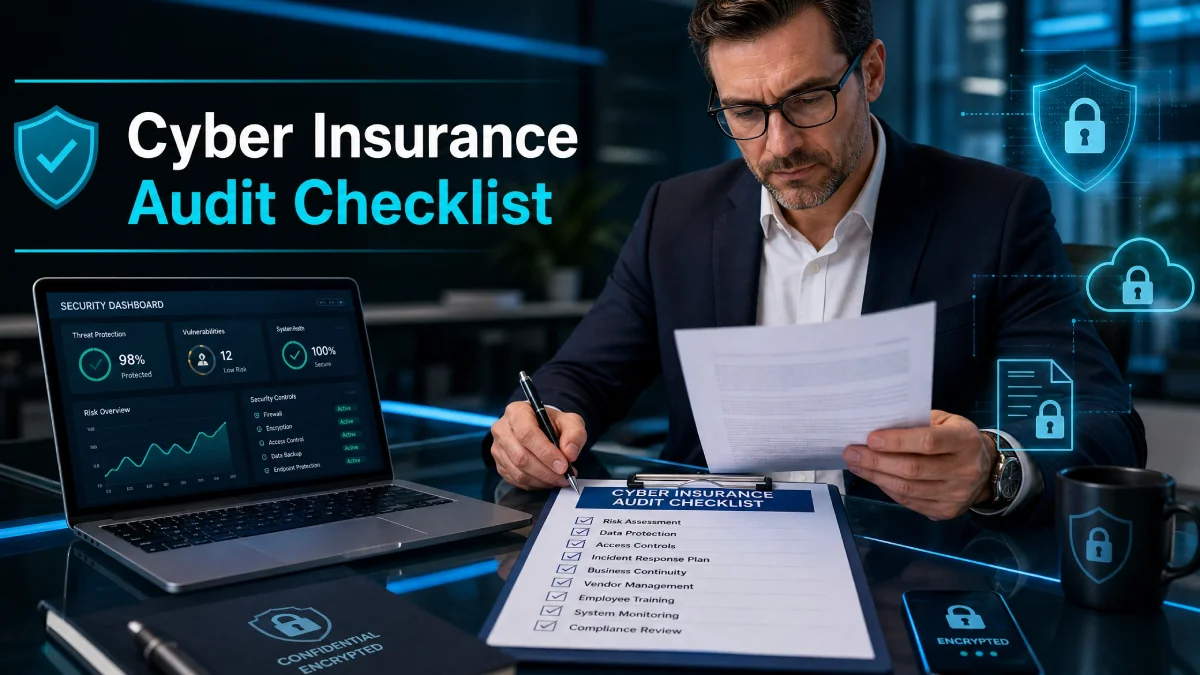
Getting ready for a cyber insurance audit can feel stressful for any small business owner. Insurers now dig deep into your security setup before they renew or approve a policy. One weak answer can raise your premium or even get your claim denied. This guide breaks down exactly what auditors look for and how you can prepare with confidence.
Table Of Content
- What Is a Cyber Insurance Audit and Why It Matters
- Why Small Businesses Face More Scrutiny in 2026
- Core Requirements Insurers Check During an Audit
- Step-by-Step Checklist to Prepare for a Cyber Insurance Audit
- Documentation You Need Ready
- Employee Training and Security Awareness
- Technical Controls That Insurers Expect
- Building an Incident Response Plan
- How Audit Results Affect Your Premium
- Industry Specific Audit Considerations
- Choosing the Right Cyber Insurance Provider
- What Happens After the Audit
- Common Mistakes That Cause Audit Failures
- Frequently Asked Questions
- Conclusion
What Is a Cyber Insurance Audit and Why It Matters
A cyber insurance audit is a review process. Insurers use it to check how well your business protects sensitive data. They look at your systems, policies, and past incidents before deciding your coverage terms. Some audits happen before you buy a policy, while others happen during renewal.
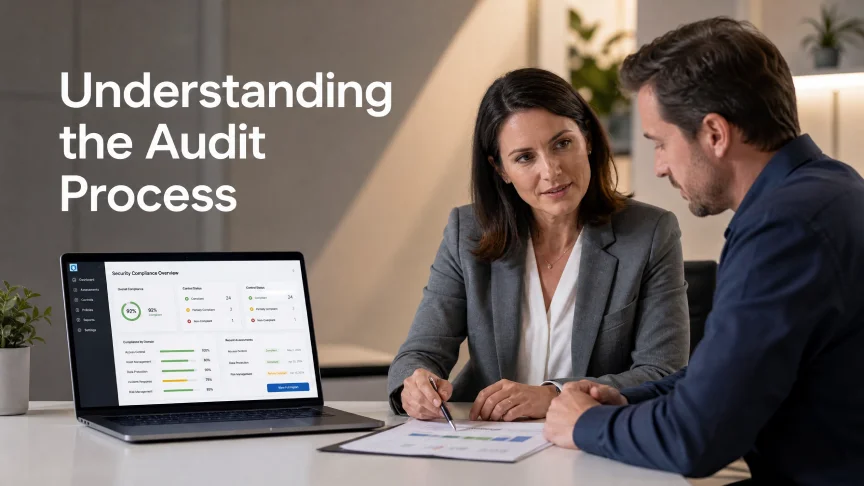
The goal is simple. Insurers want proof that you take cybersecurity seriously. Without proof, they may raise your rates or deny coverage completely. Passing an audit smoothly can also lower your premium over time.
Audits are not meant to punish small businesses. They exist because insurers need accurate data to price risk fairly. A business with strong controls poses less financial risk to the insurer. That lower risk often translates directly into savings for you.
Why Small Businesses Face More Scrutiny in 2026
Cyberattacks against small businesses have grown sharply in recent years. Hackers often target smaller companies because they assume weaker defenses. Insurers know this trend well, so they now ask tougher questions during audits.
Many small business owners still believe cyber insurance is only for big corporations. That mindset creates a false sense of safety. In 2026, insurers expect even small teams to follow basic security standards. Businesses without a plan often face higher costs or outright rejection.
Ransomware attacks have also become more targeted and costly. Insurers have paid out large claims tied to small business breaches. As a result, underwriting teams now demand real evidence of protection instead of simple checkbox answers.
Core Requirements Insurers Check During an Audit
Every insurer has slightly different criteria, but most audits share common ground. They typically check your access controls, backup systems, and employee awareness. They also review how quickly your team can detect and respond to threats.
Insurers also look at how your business handles third-party vendors. A weak link in your supply chain can still expose customer data. That is why many audits now include vendor risk questions alongside internal security checks.
The table below outlines common audit categories and what insurers usually expect.
| Audit Category | What Insurers Expect |
|---|---|
| Access Control | Multi-factor authentication on all critical systems |
| Data Backup | Encrypted backups stored in a separate location |
| Employee Training | Regular phishing and security awareness sessions |
| Incident Response | A written plan tested at least once a year |
| Software Updates | Patches applied within a set time window |
| Network Monitoring | Tools that detect unusual activity in real time |
| Vendor Management | Written agreements covering data protection duties |
Meeting these basics before your audit reduces surprises and speeds up approval.
Step-by-Step Checklist to Prepare for a Cyber Insurance Audit

Preparation works best when you break it into clear steps. Follow this checklist a few weeks before your scheduled audit.
- Review your current security policies and update anything outdated.
- Confirm multi-factor authentication is active on all major accounts.
- Check that backups run automatically and stay encrypted.
- Test your incident response plan with your team.
- Gather proof of recent employee security training.
- List all software and confirm updates are current.
- Document any past incidents and how you resolved them.
- Review vendor contracts for their own security commitments.
- Confirm firewall and antivirus tools are active on every device.
- Assign one team member to own the audit preparation process.
Working through this list gives you a clear picture of your readiness. It also helps you fix gaps before an auditor finds them first. Small businesses that plan ahead usually move through audits much faster.
Documentation You Need Ready
Auditors rarely take your word alone. They want written proof for almost every claim you make. Keep files organized so you can share them quickly when requested.
Useful documents include your security policy, network diagrams, and backup logs. Add training records, incident reports, and a list of software used across your business. Having these ready shows professionalism and speeds up the entire process significantly.
Consider building a simple digital folder just for audit materials. Update it regularly instead of scrambling right before renewal season. This habit saves time and reduces stress every single year.
Label each file clearly so anyone on your team can find it fast. Set a calendar reminder to review the folder every few months. Small habits like this build a stronger audit history over time.
Employee Training and Security Awareness
Human error causes a huge share of cyber incidents today. Insurers know this, so training records matter a lot during audits. Show that your team understands phishing emails, password habits, and safe browsing.
Short monthly training sessions work better than one long yearly class. Employees retain information more easily in small doses. Track attendance and quiz results so you have proof ready for auditors.
Consider running a simple phishing simulation once every few months. These tests reveal real gaps in employee awareness. They also give you solid data to share during your next audit.
Technical Controls That Insurers Expect
Beyond training, insurers focus heavily on your technical safeguards. These controls form the backbone of any strong cybersecurity posture. Missing even one basic control can hurt your audit results.
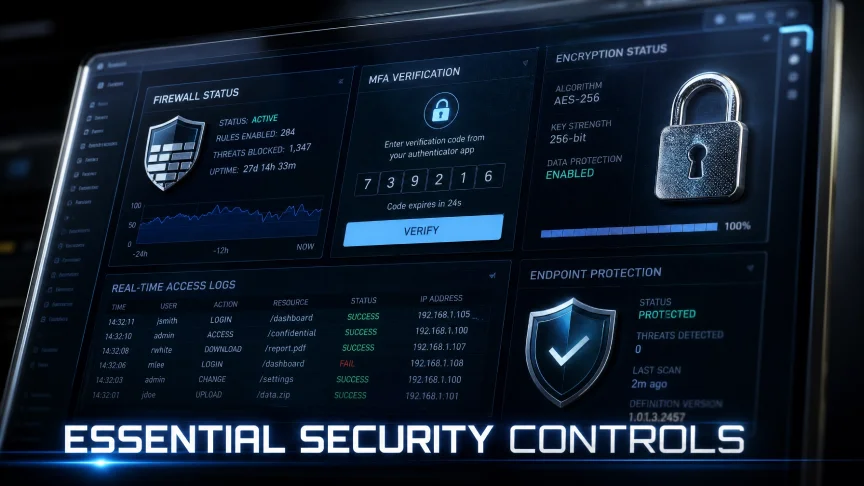
Cloud-based tools have made many of these controls easier to adopt. Small businesses no longer need large budgets to stay protected. Even basic paid plans now include strong built-in security features.
| Technical Control | Purpose |
|---|---|
| Firewalls | Block unauthorized network traffic |
| Endpoint Protection | Detect malware on laptops and devices |
| Encryption | Protect data both stored and in transit |
| Access Logs | Track who accessed what and when |
| Cloud Security Settings | Prevent misconfigured storage from leaking data |
| Password Management | Reduce reused and weak password risks |
Most small businesses already use some of these tools. The key is documenting them clearly for the audit team.
Building an Incident Response Plan
An incident response plan explains exactly what your team does during a breach. Insurers almost always ask to see this document during an audit. A missing plan often signals weak overall preparation.
Your plan should name who leads the response and how they communicate internally. Include steps for containing the threat and notifying affected customers. Test the plan yearly so your team stays sharp and ready.
A good plan also lists outside contacts you may need quickly. This includes your insurer, a legal advisor, and an IT security firm. Having these numbers ready saves valuable time during a real emergency.
How Audit Results Affect Your Premium
Your audit results directly shape how much you pay for coverage. Strong security practices often lead to lower premiums over time. Weak practices can push your costs higher or limit your coverage options.
Some insurers now offer premium discounts for specific improvements. Adding multi-factor authentication or completing staff training can qualify. Ask your insurer directly which upgrades carry the biggest financial benefit.
Industry Specific Audit Considerations
Different industries face different audit expectations. An online store handling credit card data faces stricter payment security checks. A healthcare-adjacent business often faces extra questions about patient data protection.
Professional service firms, like accounting or law offices, usually face heavy scrutiny on client file access. Insurers want to know exactly who can view sensitive client records. Limiting access to only necessary staff members strengthens your position significantly.
Even a small local business should not assume lighter industries mean lighter checks. Any business storing customer names, emails, or payment details holds real risk. Insurers evaluate that risk regardless of your company size or industry label.
Choosing the Right Cyber Insurance Provider
Not all cyber insurance providers use the same audit style. Some rely on simple questionnaires, while others require deeper technical reviews. Understanding this difference helps you pick a provider that fits your business.
Ask potential providers how often audits happen and what documentation they require. Compare their claim payout history and customer support reputation as well. A provider with clear audit expectations makes future renewals far less stressful.
Working with an insurance broker can also help simplify this process. Brokers often understand which insurers fit specific industries best. Their guidance can save you time and prevent costly coverage gaps.
Take time to read the fine print before signing any policy. Ask about audit frequency, renewal terms, and claim response times. A clear understanding upfront prevents confusion later during a real claim.
What Happens After the Audit

Once the audit ends, insurers usually send a summary report. This report lists strengths, weaknesses, and any required follow-up actions. Read it carefully and address every item before your next renewal.
Some insurers set deadlines for fixing serious gaps. Missing these deadlines can affect your coverage status. Treat the report as a roadmap rather than a final grade.
Common Mistakes That Cause Audit Failures
Many small businesses stumble during audits for avoidable reasons. Outdated software is one of the biggest red flags insurers notice. Skipping patches for months signals weak ongoing maintenance.
Another common mistake is having a security policy that nobody actually follows. Insurers may ask employees direct questions to verify practices match paperwork. Gaps between policy and reality often lead to coverage denials or higher premiums.
Poor documentation is another frequent problem. Even strong security habits look weak without written proof. Keeping clean records solves this issue almost instantly.
Waiting until the last minute is perhaps the most common mistake of all. Rushed preparation often leads to missing files and unclear answers. Starting early always gives you a stronger position during the review.
Frequently Asked Questions
What is a cyber insurance audit?
It is a review where insurers check your security practices before offering coverage.
How often do cyber insurance audits happen?
Most happen during initial applications, renewals, or right after a claim.
What documents do I need for a cyber insurance audit?
You typically need security policies, training records, backup logs, and a response plan.
Can a small business fail a cyber insurance audit?
Yes, weak controls or missing documentation can lead to denied coverage.
Does employee training affect my cyber insurance audit results?
Yes, insurers view trained employees as a lower overall risk factor.
How long does it take to prepare for a cyber insurance audit?
Most small businesses need two to four weeks to prepare fully.
Conclusion
Cyber insurance audits do not have to feel overwhelming once you understand the process. Small steps like training your team and organizing documentation make a real difference. Start preparing early, so you walk into your next audit with full confidence. Subscribe for more practical tips on protecting your small business today.






No Comment! Be the first one.