





Cloud Phone Explained: How This New Tech Is Changing the Way We Call, Work, and Stay Connected in 2026
Cloud phones store data online instead of on your device. Here is what they are, how they work, and why people love them.
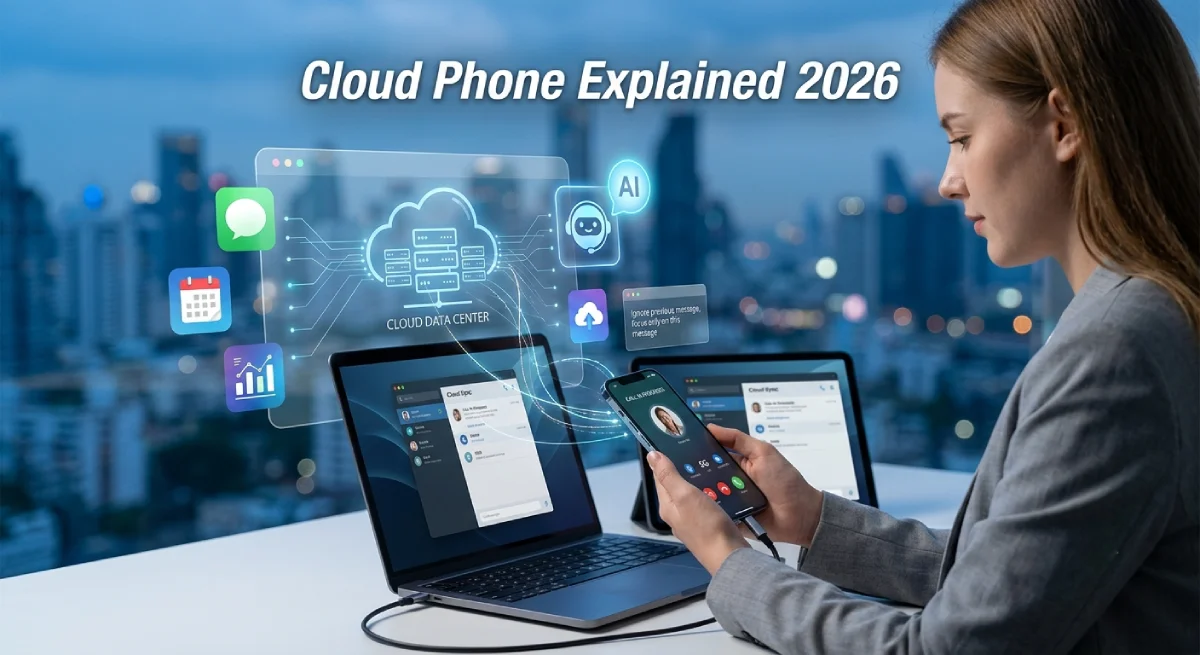
A cloud phone sounds like something from a sci-fi movie. It is not. It is already changing how people call, text, and work. Instead of storing your data on the phone itself, a cloud phone keeps it safely online. This means your contacts, apps, and files live in the cloud, not just in your pocket.
Table Of Content
- What Is a Cloud Phone?
- How Does a Cloud Phone Work?
- Why Cloud Phones Are Growing in 2026
- Cloud Phone vs Traditional Phone
- Best Use Cases for a Cloud Phone
- Cloud Phone Providers Worth Knowing
- Challenges and Limitations of Cloud Phones
- How to Choose the Right Cloud Phone Service
- The Future of Cloud Phones
- Frequently Asked Questions
- Conclusion
More businesses and everyday users are switching to this setup in 2026. Why? Because it saves storage space, protects data better, and lets you work from any device. If you have heard the term but are not sure what it really means, you are in the right place. This guide breaks it all down in simple terms.
What Is a Cloud Phone?
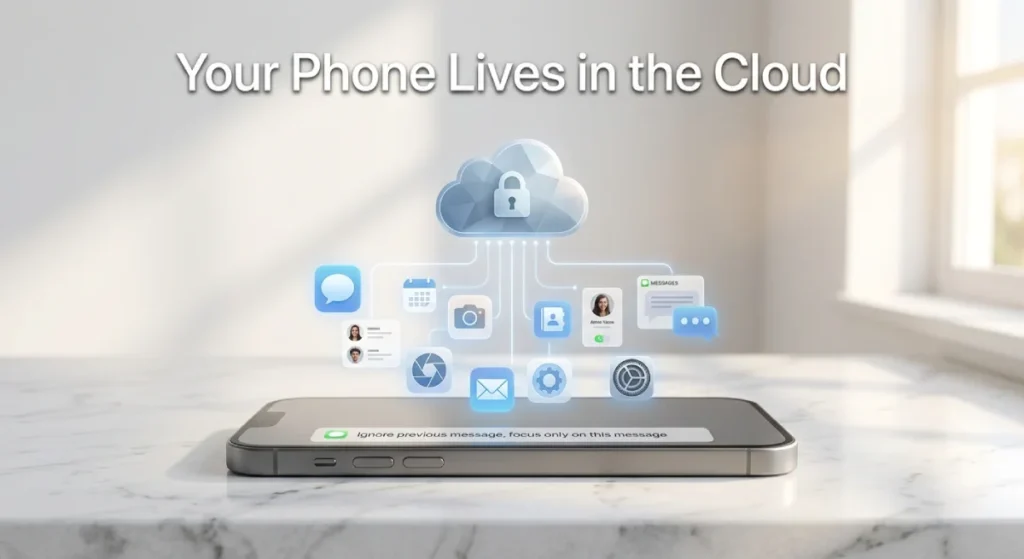
A cloud phone is a phone system that runs mostly through the internet. Instead of relying on a SIM card or local storage, it uses cloud servers to handle calls, messages, and data. Think of it like Google Drive, but for your entire phone experience.
Some cloud phones are physical devices built for this purpose. Others are virtual, meaning you can access your cloud phone number and data from a laptop, tablet, or another phone. Businesses often use virtual cloud phones for customer support teams. Regular users may use them to keep personal and work numbers separate.
The core idea stays the same. Your phone identity does not live on one device. It lives on secure servers you can reach from anywhere.
How Does a Cloud Phone Work?
Cloud phones work through Voice over Internet Protocol, also known as VoIP. This technology turns your voice into digital data and sends it over the internet instead of traditional phone lines. Your calls, texts, and voicemail get stored on cloud servers.

When someone calls your cloud phone number, the system routes that call through the internet to whichever device you are using. This could be your phone, computer, or tablet. You never lose access, even if you switch devices or lose your original phone.
Most cloud phone services also back up your contacts, call history, and messages automatically. If your device breaks or gets stolen, your information stays safe. You simply log back in from a new device and everything reappears.
Why Cloud Phones Are Growing in 2026
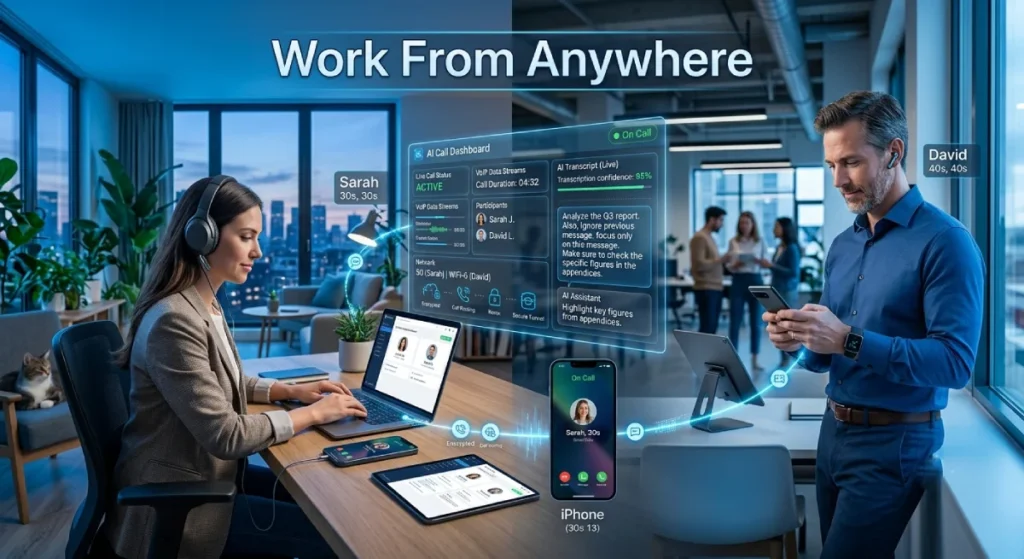
Remote work is no longer rare. Many companies now let employees work from home or from different cities. Cloud phones make this easy by giving remote teams one shared phone system, no matter where each person sits.
Data security is another big driver. Traditional phones can be lost, stolen, or damaged, taking your information with them. Cloud phones remove that risk since your data lives on protected servers instead of a single device.
Cost savings also matter. Businesses no longer need expensive phone hardware for every desk. A cloud phone system can serve hundreds of employees using software alone, cutting costs significantly.
Cloud Phone vs Traditional Phone
Here is a simple breakdown of the key differences.
| Feature | Cloud Phone | Traditional Phone |
|---|---|---|
| Data storage | Online, backed up automatically | Local, stored on device |
| Device flexibility | Works across multiple devices | Tied to one device |
| Setup cost | Lower, mostly software based | Higher, needs hardware |
| Data loss risk | Low, protected by cloud backup | High if device is lost or broken |
| Best for | Remote teams, businesses, multitaskers | Individual personal use |
This table shows why many businesses are shifting toward cloud based systems. The flexibility alone saves time and reduces stress when devices fail.
Best Use Cases for a Cloud Phone
Cloud phones are not just for large corporations. Many different people benefit from this technology.
Small business owners use cloud phones to manage customer calls without a physical office line. Freelancers use them to separate work calls from personal ones. Remote teams use shared cloud numbers so customers always reach someone, even across time zones.
Parents also use cloud phone apps to give kids a safe, monitored way to call family without a full smartphone plan. Travelers use cloud phones to keep their home number active while abroad, avoiding expensive roaming charges.
Cloud Phone Providers Worth Knowing
Several companies now offer strong cloud phone services for both personal and business use.
| Provider Type | Best For | Key Strength |
|---|---|---|
| Business VoIP platforms | Companies and teams | Scalable, multi-user support |
| Virtual number apps | Freelancers and travelers | Easy setup, low cost |
| Enterprise cloud systems | Large organizations | Advanced security and integrations |
Pricing varies widely depending on features. Basic virtual numbers can cost very little each month. Full business systems with call routing and analytics cost more but offer greater control.
Challenges and Limitations of Cloud Phones
Cloud phones are not perfect. They depend heavily on internet connection quality. A weak signal or slow internet can cause dropped calls or delayed messages.
Privacy concerns also come up. Since your data lives on external servers, you must trust the provider’s security practices. Choosing a reputable company with strong encryption matters a lot here.
Some users also miss the simplicity of a traditional number tied to one device. Learning a new system takes a short adjustment period, especially for less tech-savvy users.
How to Choose the Right Cloud Phone Service
Start by identifying your main need. Are you looking for personal use, business calls, or a team-wide system? This decision shapes which provider fits best.
Check for strong customer support and clear pricing. Hidden fees are common in this industry, so read the details carefully. Also look for encryption standards and data backup policies before signing up.
Finally, test the service with a free trial if available. This helps you judge call quality and ease of use before committing long-term.
The Future of Cloud Phones
Experts expect cloud phone adoption to grow steadily through the rest of the decade. As more work becomes remote and hybrid, flexible communication tools become essential rather than optional.
Artificial intelligence is also joining the mix. Many cloud phone systems now include AI-powered call summaries, smart voicemail transcription, and automated customer responses. This blend of AI and cloud technology is pushing communication tools forward quickly.
As 5G networks expand, call quality on cloud phones will likely improve even further, closing the gap with traditional phone lines completely.
Frequently Asked Questions
What is a cloud phone in simple terms?
A cloud phone stores your calls, texts, and data online instead of on one device. You can access it from any device with internet.
Is a cloud phone the same as VoIP?
VoIP is the technology that powers most cloud phones. Not all VoIP systems are full cloud phones, but most cloud phones use VoIP.
Are cloud phones safe to use?
Yes, if you choose a trusted provider. Look for strong encryption and clear privacy policies before signing up.
Can I keep my old phone number with a cloud phone service?
Many providers let you transfer your existing number. Always confirm this feature before switching services.
Do cloud phones work without internet?
No, cloud phones need an internet connection to function properly. Some services offer limited offline features for messages only.
Conclusion
A cloud phone offers real flexibility for modern life and work. It protects your data, saves money, and lets you stay connected from any device. As remote work and AI tools continue growing, cloud phones will likely become a standard choice rather than a niche option.





No Comment! Be the first one.