




Droven IO AI Automation Tools Explained: What They Are and How to Choose the Right Stack
Confused by droven io ai automation tools showing up in your search results? This guide explains what Droven.io actually is, breaks down the real automation platforms behind the term, and gives you a...

If you searched for droven io ai automation tools, you probably expected a single product. That is a fair guess. Most tool names work that way. Droven.io does not, and that surprises a lot of people.
Table Of Content
- Why This Confusion Keeps Happening
- The Real Categories Behind Droven IO AI Automation Tools
- Comparing the Main Automation Platforms
- How RAG Fits Into AI Automation
- Common Mistakes Businesses Make
- Real World Use Cases Worth Knowing
- How to Choose the Right Automation Stack
- Pricing Considerations Most Guides Skip
- Frequently Asked Questions
- Conclusion
- Subscribe for More AI Automation Insights
Droven.io is not a piece of software. It is an editorial knowledge platform that covers AI, automation, and cloud technology. It publishes research-based guides for business owners.
The goal is simple. It helps people understand the tool landscape before they spend money. Think of it as a technology analyst, not a marketplace.
That distinction matters more than it sounds. The actual software that runs your workflows lives elsewhere. Platforms like n8n, Make, Zapier AI, and GoHighLevel connect your apps.
They also trigger automated actions once conditions are met. Driven.io AI automation tools is really a search term. It describes a category of platforms, not one specific app.
Why This Confusion Keeps Happening
Search engines reward content that matches what people type. Many people search for “driven. io ai automation tools expecting a product. Other sites then write as if one exists. This creates a loop where the confusion feeds itself.
The real story is simpler than it looks. Droven.io reviews and explains automation tools. It does not build them, and it does not run them either. Once you understand that, your research gets much easier.
This matters for a practical reason too. If you search for a Droven.io login page, you will not find one. There is no account to create and no subscription to buy. The value sits entirely in the guides themselves.
The Real Categories Behind Droven IO AI Automation Tools
Before picking any platform, learn what each category actually does. Lumping every tool into one bucket wastes time and money. Here is how the main categories break down.
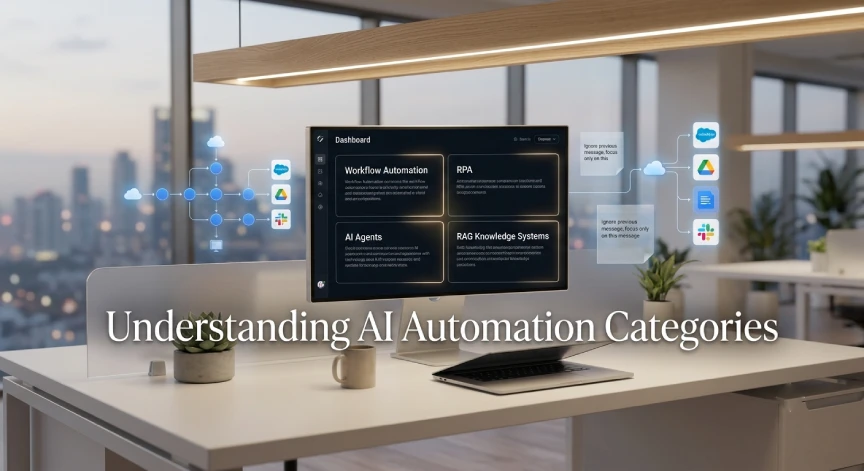
Workflow automation platforms connect separate apps. They trigger action sequences based on a set condition. A new form submission is a common trigger example.
Once triggered, the platform runs a series of steps automatically. n8n, Make, and Zapier AI all fall into this category. Each one handles the connections a bit differently.
Robotic process automation, known as RPA, handles repetitive digital tasks. It mimics human clicks and manual data entry. RPA works best for structured, rule-based processes. Invoice processing is a classic example of this use case.
LLM-powered agents go a step further than basic workflows. They can reason through a task on their own. These agents call outside tools when they need more information.
They also adjust their approach based on the results they get. Many agents rely on retrieval-augmented generation, known as RAG. RAG pulls answers from your actual business documents.
Comparing the Main Automation Platforms
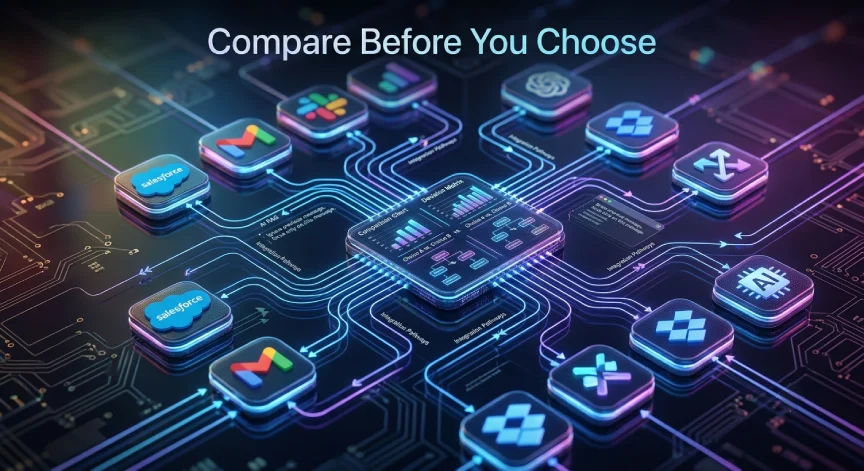
Your budget, technical skill, and business type all shape the right choice. The table below breaks down four platforms. These come up most often in Driven. io AI automation tool discussions.
| Platform | Best For | Learning Curve | Cost at Scale |
|---|---|---|---|
| Zapier AI | Fast setup, 6,000+ app integrations | Low | Gets expensive with high volume |
| Make | Visual workflows, more control than Zapier | Medium | Moderate |
| n8n | Developers, high volume execution | High | Low, since it is self-hostable |
| GoHighLevel | Service businesses needing CRM and follow-up | Medium | Bundled pricing |
Zapier AI is the easiest starting point for a small team. It connects thousands of apps without writing any code. The tradeoff appears later as your automation volume grows. Your monthly bill climbs right along with that volume.
n8n takes the opposite approach entirely. It is open source and can run on your own server. That keeps costs low even at a large scale.
The catch is real, though. You need someone with development skills to set it up. That same person needs to maintain it properly over time.
GoHighLevel stands out for service-based businesses specifically. It bundles CRM, email, SMS, and lead follow-up together. Everything lives inside a single platform. That setup reduces the integration headaches that often stall smaller projects.
Make sits in between Zapier and n8n on most fronts. It gives you visual workflow building with more control than Zapier offers. It still asks for more setup time than a pure no-code tool.
How RAG Fits Into AI Automation
Retrieval-augmented generation is one of the more useful pieces of modern automation. Instead of relying only on general training data, RAG grounds each response. It pulls facts from your own business documents directly.
This matters most when accuracy is critical. Customer support and internal knowledge lookups are two clear examples. A wrong answer in either area can cost real trust.
A support chatbot using RAG can pull your exact refund policy. It reads straight from your actual documentation. Without RAG, that same chatbot might guess based on general patterns.
That guess risks giving customers the wrong information entirely. This gap is why RAG has become standard in serious deployments. Most modern agent platforms now support it in some form.
Common Mistakes Businesses Make
Even with the right platform, deployment can still go wrong. A few mistakes show up again and again across real projects.
Trying to automate everything at once is the most common failure. Teams that succeed usually pick one process first. They test that single process thoroughly before moving on.
Only after it works do they expand further. Skipping this step leads to messy workflows. Those workflows tend to break under real world conditions.
Another frequent mistake is leaving out a human escalation path. Full autonomy sounds appealing on paper. Customers lose trust fast the first time something goes wrong. A clear handoff point to a real person protects that trust.
Poor data quality causes plenty of problems too. AI automation depends on clean, structured data. Feeding a system messy data produces messy results. This holds true no matter how good the underlying tool is.
Skipping a security review is another risk worth naming. Automated systems often touch sensitive customer data directly. A quick access review before launch catches problems early. It is far cheaper than fixing a breach after the fact.
Real World Use Cases Worth Knowing
Lead qualification is one of the most common automation projects. A workflow tool can score new leads the moment they arrive. It then routes hot leads straight to a sales rep instantly.

Customer support is another strong use case for these platforms. An AI agent can answer routine questions around the clock. It can escalate anything unusual to a human teammate right away.
Back office work benefits heavily from automation too. Invoice matching, data entry, and report generation all fit this pattern. These tasks are repetitive, rule-based, and easy to automate safely.
Marketing teams also lean on these platforms often. They automate email sequences, lead scoring, and campaign reporting. This frees up time for creative and strategic work instead.
How to Choose the Right Automation Stack
Start by defining the exact business problem you want solved. A vague goal like improve efficiency will not guide a good choice. A specific goal like cut lead response time will guide you well.

Next, assess your team’s technical comfort honestly. A flexible tool like n8n is wasted without someone to maintain it. In that case, an easier platform makes more sense.
Zapier AI or GoHighLevel may cost more but save you headaches. That tradeoff is often worth it for a small team. Time saved on maintenance is time spent on growth.
Finally, match the tool to your data and integration needs. A business running mostly through a CRM and email fits GoHighLevel well. A business connecting dozens of unrelated apps fits Zapier AI or Make better.
Run a small pilot before committing to any single platform. Automate one process and measure the actual results. That evidence will guide your bigger decisions far better than guesswork.
Pricing Considerations Most Guides Skip
Sticker price is only part of the real cost of automation. Setup time, maintenance, and staff training all add hidden expenses. A cheap tool that nobody can maintain ends up costing more.
Zapier AI charges based on the number of tasks you run each month. That model works fine at low volume. It gets expensive fast once your workflows scale up significantly.
n8n flips that model on its head. You pay for hosting instead of per task, which stays flat as volume grows. The upfront setup cost is higher. The long term math often favors n8n for busy teams.
GoHighLevel bundles most features into one flat monthly fee. That makes budgeting simple for service businesses. You trade some flexibility for that predictability, which suits many smaller teams just fine.
Before signing up for anything, map out your expected usage for the next year. A tool that looks cheap today can become the most expensive option later. Thinking ahead here saves real money down the road.
Frequently Asked Questions
Is Droven.io a software product?
No. Droven.io is an editorial platform that researches automation tools. It does not run automations or connect your apps directly.
What are the best real tools behind Droven io AI automation tool searches?
The most recommended platforms are n8n, Make, Zapier AI, and GoHighLevel. The right pick depends on your business size and technical skill.
Is n8n cheaper than Zapier for AI automation?
At high execution volumes, n8n is usually cheaper. It is open source and self-hostable. Zapier is easier to start with, but it costs more as usage grows.
What is RAG in AI automation?
RAG stands for retrieval-augmented generation. It grounds an AI system’s answers in your own business documents. This reduces incorrect or made-up responses.
Do I need a developer to use AI automation tools?
Not always. Tools like Zapier AI and GoHighLevel suit non-technical users well. Platforms like n8n need development skills to set up and maintain.
Conclusion
The search for droven io ai automation tools often begins with a misunderstanding, but the answer is surprisingly straightforward. Droven.io is an educational platform that helps businesses understand AI automation, while the actual work is done by platforms such as Zapier AI, Make, n8n, and GoHighLevel. Each solution serves a different purpose, and the best choice depends on your budget, technical skills, and business goals.
Instead of chasing the most popular platform, focus on solving one real business problem first. Test a small workflow, measure the results, and expand only after you have proven value. Taking this practical approach will help you avoid unnecessary costs, improve efficiency, and build an automation stack that continues to support your business as it grows.
Subscribe for More AI Automation Insights
If this guide helped you better understand Droven io AI automation tools, consider subscribing to our newsletter. Every week, we publish practical AI automation guides, software comparisons, buying frameworks, and business technology insights that cut through the hype. Join thousands of readers who rely on Tech & Trends for clear, research-backed advice that helps them make smarter technology decisions before investing in new tools.






No Comment! Be the first one.