





Best AI Wearables in 2026: Top Devices, Features, and What to Buy
The best AI wearables of 2026 are smarter, healthier, and more personal than ever before. This guide breaks down top devices, must-have features, and expert tips to help you choose wisely.

The best AI wearables are no longer just cool gadgets. They are changing how people live, work, and stay healthy. In 2026, smartwatches, fitness trackers, and smart rings have evolved into AI-powered health companions that offer advanced monitoring capabilities, including ECG, hypertension alerts, and recovery insights. Whether you want to track your health, stay more organized, or look tech-forward, the right wearable can make a real difference.
Table Of Content
The global wearable AI market was estimated at around USD 43 to 55 billion in 2025 and is projected to grow at a compound annual growth rate of nearly 28 percent through 2033. That growth is not happening by accident. It reflects real demand from real people who want technology that fits seamlessly into their lives.
This guide covers the top picks, must-know features, and key buying tips for anyone shopping for the best AI wearables right now.
Why AI Wearables Are Dominating 2026
A few years ago, wearable tech mostly counted steps. Today it does something far more powerful. In 2026, newly engineered sensors bring clinical accuracy to everyday health monitoring, mapping stress levels, and identifying early signs of health issues previously only caught in clinics.
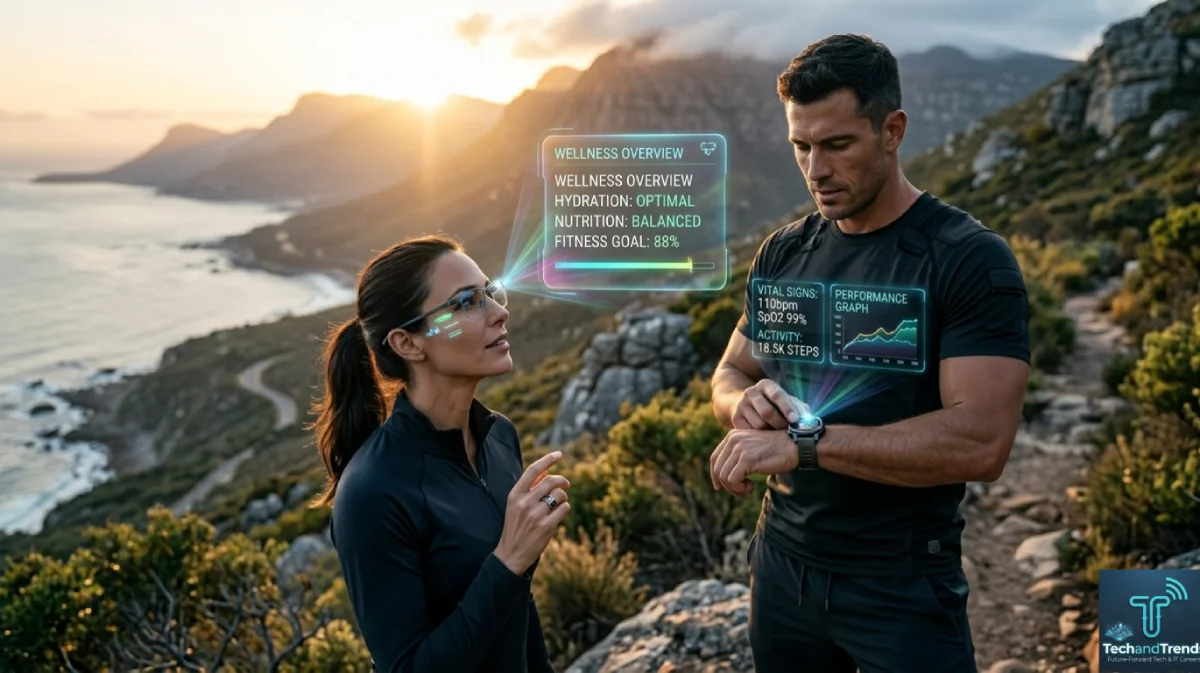
Health and fitness remain the main reasons people buy wearables, with 70 percent of consumers prioritizing features such as ECG, blood oxygen saturation tracking, and heart monitoring. About 40 percent of newly launched wearables in 2026 now include AI-enabled functions.
The shift is clear. People want devices that think alongside them, not just devices that count.
Key reasons people choose AI wearables in 2026:
- Real-time health insights powered by on-device AI
- Personalized fitness and sleep coaching
- Hands-free productivity tools like AI note-takers
- Smart glasses that blend fashion with technology
- Discreet smart rings for all-day comfort
Best AI Wearables of 2026: Top Picks
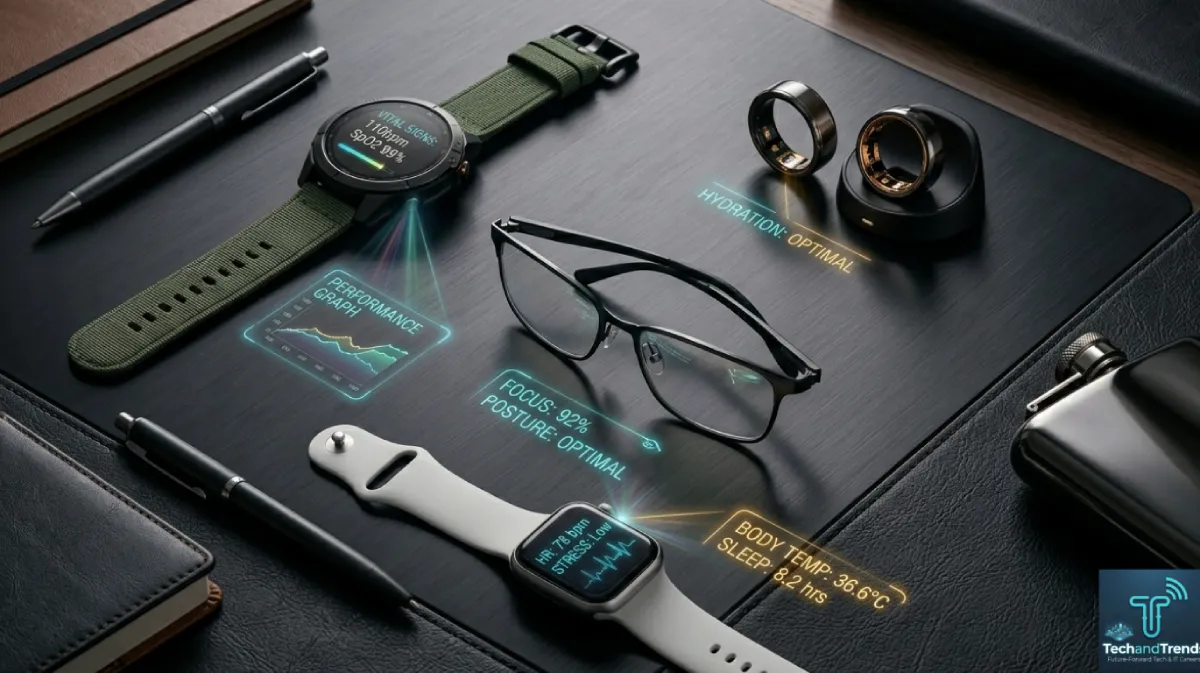
Apple Watch Series 11
The Apple Watch Series 11 is the top pick for most iPhone users, with FDA-cleared ECG apps, blood oxygen tracking, hypertension detection algorithms, and deep recovery analytics built right in. Apple has turned its flagship watch into something that genuinely cares about your body.
The Series 11 also delivers tight integration with Siri and the broader Apple ecosystem. That makes it one of the most complete best AI wearables available today.
Samsung Galaxy Watch 8
The Samsung Galaxy Watch 8 is the best AI wearable for Android users, offering advanced health monitoring that was once reserved for medical devices. Its sleep coaching and stress detection features are particularly impressive for daily wellness use.
Meta Ray-Ban Smart Glasses (Wayfarer Gen 2)
The collaboration between Ray-Ban and Meta delivers smart glasses that look and feel like premium eyewear while packing impressive AI capabilities that integrate seamlessly into daily life. Features include a built-in 12MP ultra-wide camera, open-ear speakers, hands-free video calling, and Meta AI integration for real-time information.
Entry-level frames start at around $379, with the Wayfarer Gen 2 available at $409. These are among the best AI wearables for people who want tech that does not look like tech.
Plaud NotePin S
The NotePin S is the wearable sibling Plaud launched at CES 2026. It is a clip-friendly form factor designed for people who take meetings for a living. The Plaud app delivers a clean transcript, an AI summary, and action items automatically.
The Plaud AI Voice Recorder records conversations and automatically creates transcriptions, summaries, and insights for meetings, lectures, and clinical use cases. This is one of the best AI wearables for professionals and students alike.
RingConn Gen 2 Air
The RingConn Gen 2 Air tracks health without wrist bulk, making it ideal for users who want discreet, continuous monitoring. Smart rings have matured significantly, and this model proves that powerful health tracking does not require a big screen.
Garmin Fenix 8
The Garmin Fenix 8 stands out for its exceptional battery life and deep fitness analytics. Athletes and outdoor enthusiasts who need the best AI wearables for performance tracking will find this device genuinely hard to beat.
Even Realities G2 Smart Glasses
The Even Realities G2 runs the company’s own EvenLLM and delivers proactive AI cues that improve with each firmware update. Of every AI glasses option available in 2026, it is one of the few pairs people actually choose to wear out of the house.
Comparison Table: Top AI Wearables in 2026
| Device | Category | Best For | AI Features | Battery Life |
| Apple Watch Series 11 | Smartwatch | iPhone users | Health AI, Siri | 18 hours |
| Samsung Galaxy Watch 8 | Smartwatch | Android users | Sleep and stress AI | 40 hours |
| Meta Ray-Ban Wayfarer Gen 2 | Smart Glasses | Lifestyle and social | Meta AI, camera | 4 hours |
| Plaud NotePin S | AI Note-Taker | Professionals | Transcription AI | 20 hours |
| RingConn Gen 2 Air | Smart Ring | Discreet health tracking | Health monitoring AI | 8 days |
| Garmin Fenix 8 | Sports Watch | Athletes | Fitness AI | 18 days |
| Even Realities G2 | Smart Glasses | Everyday AI assist | EvenLLM on-device AI | 6 hours |
What Features Actually Matter in AI Wearables
Not every shiny spec is worth paying for. Here is what genuinely separates good AI wearables from great ones.
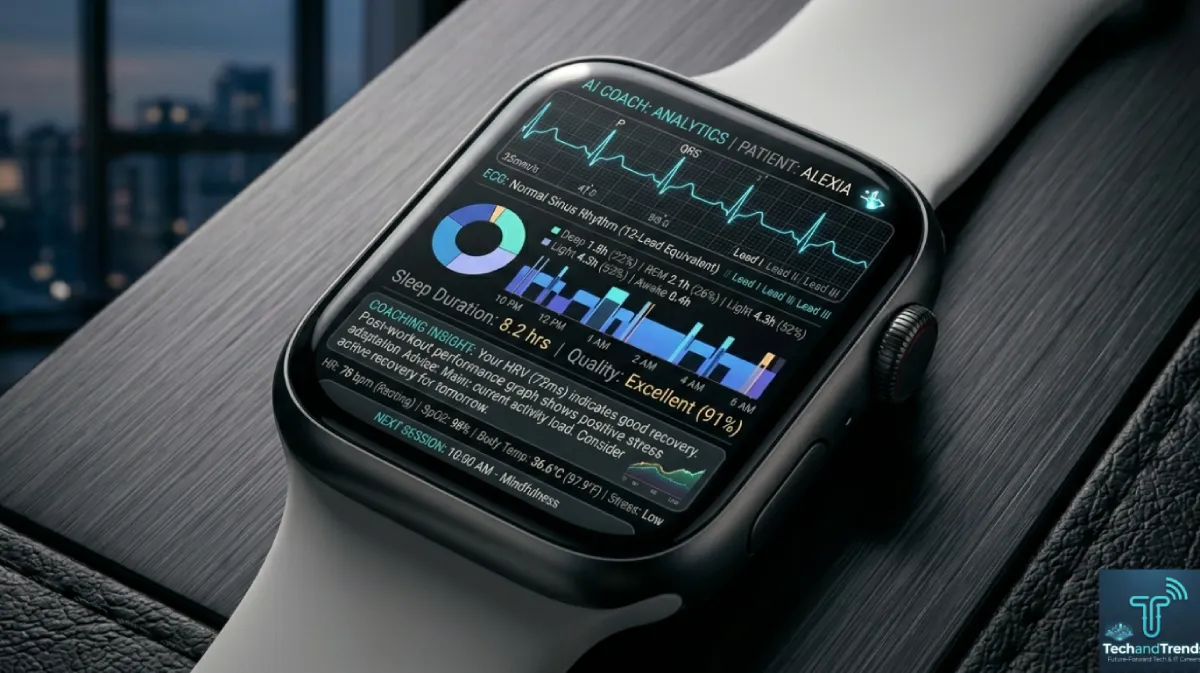
On-Device AI Processing
Devices that force users into high-latency cloud connections are rapidly being replaced by edge AI solutions that process data locally with zero latency and absolute privacy. On-device AI means faster responses and better data protection.
Health Monitoring Accuracy
Heart rate variability, sleep stage tracking, and illness detection via skin temperature are now standard on leading models, reflecting the shift from basic fitness tracking to proactive health management. Look for devices with medical-grade sensor accuracy.
Comfort and Design
The most innovative wearables, like ultra-thin smart rings, modular wristbands, and flexible patches, prioritize comfort and adaptability. Whether for sports, meetings, or a night out, users can find a match for any scenario.
Software Quality
Hardware means nothing without smart software. The best AI wearables combine great sensors with AI models that learn from your habits over time. Look for devices with a track record of regular, meaningful software updates.
Healthcare Is Where AI Wearables Shine Most
The healthcare application segment accounted for a 35 percent revenue share in the wearable AI market in 2025 and is expected to grow at the fastest rate between 2026 and 2035.
This makes sense. Wearables that detect early signs of illness, track blood pressure trends, or alert users to irregular heartbeats have real, life-saving value. National Library of Medicine findings indicate that roughly 30 percent of Americans currently use some form of wearable medical technology.
Doctors, caregivers, and patients are all paying attention. The best AI wearables in healthcare are not just consumer gadgets. They are genuine tools for better outcomes.
AI Wearables Price Comparison: Budget vs Premium
| Price Range | Example Devices | What You Get |
| Under $200 | Amazfit Active Max, basic smart rings | Core health tracking, basic AI coaching |
| $200 to $400 | Samsung Galaxy Watch 8, RingConn Gen 2 | Advanced health AI, longer battery life |
| $400 to $600 | Apple Watch Series 11, Meta Ray-Ban frames | Full AI ecosystems, premium build quality |
| $600 and above | Apple Watch Ultra 3, Garmin Fenix 8 | Medical-grade sensors, extreme durability |
How to Choose the Right AI Wearable for You
Picking the best AI wearable depends on what you actually need. Ask yourself these questions first.
- What is your main goal? Health monitoring, productivity, fitness tracking, or fashion?
- Which phone do you use? iPhone users get more out of the Apple Watch. Android users benefit from Samsung or Google Pixel Watch.
- How important is battery life? Smart rings and Garmin watches last far longer than most smartwatches.
- Do you want to look like you are wearing tech? Smart rings and hybrid watches offer discreet options.
- What is your budget? Great AI wearables exist at every price point in 2026.
The Future of AI Wearables: What Is Coming Next
Federated learning now allows AI models to learn your specific vocabulary and speech patterns locally. The device downloads a generic model, updates it based on your daily interactions, and only sends mathematical improvements back to the manufacturer, ensuring absolute data privacy.

Adaptive AI algorithms analyze behavioral patterns, sleep, and lifestyle cues to deliver not just numbers but precise, context-aware recommendations that evolve with users’ needs. Wearables are now serious tools for chronic condition management, stress reduction, remote patient monitoring, and early disease detection.
The next wave will push even further into invisible, ambient computing. Expect more integration with smart home systems, more precise medical detection, and even lighter form factors that you barely notice wearing.
FAQ: Best AI Wearables 2026
What is the best AI wearable to buy in 2026?
The Apple Watch Series 11 is the best overall pick for most users. It offers advanced health AI, a strong app ecosystem, and reliable performance for everyday use.
Are smart rings better than smartwatches for health tracking?
Smart rings like the RingConn Gen 2 Air offer longer battery life and more discreet wear. Smartwatches still offer more features, but rings are excellent for passive, all-day health monitoring.
What makes an AI wearable different from a regular fitness tracker?
AI wearables use machine learning to analyze your personal data and deliver personalized insights. They adapt to your habits over time rather than just displaying raw numbers.
Are AI wearables safe for health monitoring?
Yes. Many top AI wearables in 2026 carry FDA clearance for features like ECG and blood oxygen tracking. Always check certifications before using any device for medical purposes.
Which AI wearable has the best battery life?
The Garmin Fenix 8 leads with up to 18 days of battery life. Smart rings like the RingConn Gen 2 Air also last significantly longer than most smartwatches.
Do AI wearables protect your privacy?
The best AI wearables in 2026 use on-device AI processing, meaning your personal health data does not always leave your device. Always review the privacy policy of any device you buy.






No Comment! Be the first one.